
Heard at AIA 2026: Transparency Was Never the Finish Line

The built environment has spent years investing in transparency. Now the industry is figuring out what to do with it.
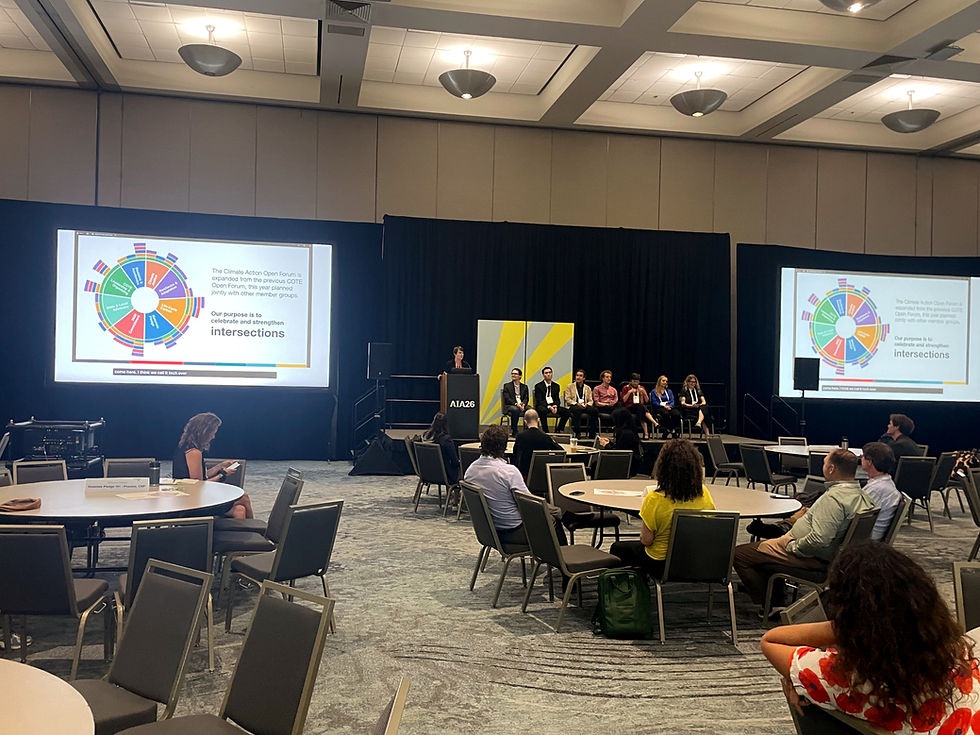
For more than a decade, the built environment has pushed manufacturers toward greater sustainability transparency.
Many manufacturers responded.
They created EPDs, published HPDs, pursued Declare labels, obtained certifications, and invested heavily in sustainability reporting, data collection, and product improvements.
But one of the most interesting observations from AIA 2026 was that very few conversations focused on whether sustainability information exists.
They were focused on turning that information into better decisions.
Sustainability Information is Becoming a Decision-Making Tool
Several education sessions highlighted how sustainability data is becoming more deeply embedded in design decisions.
In a session focused on evaluating health from product to place, speakers shared how firms are using sustainability information to make more intentional material selections. One team reviewed nearly 900 products, finding that 98% addressed human health concerns and 75 products met three or more AIA Materials Pledge impact categories.
The takeaway was clear: sustainability information is increasingly becoming part of the specification process rather than a reporting exercise.
Other sessions reinforced similar themes:
LEED v5 elevates climate resilience through required Climate Resilience Assessments.
Building enclosure discussions focused on durability and service life as critical contributors to environmental performance.
Across sessions, sustainability was less often framed as a separate initiative and more often discussed as part of making better design decisions.
The Conversation is Shifting From Disclosure to Application

During our Viewpoints Cocktails & Conversations event with Acelab and Point to Point, conversations with manufacturers, architects, and industry leaders repeatedly returned to a similar challenge: transparency alone does not make decisions easier.
The same theme emerged during our panel, “Supercharging Sustainability with AI & Materials That Matter,” where architects and technology leaders explored how emerging tools can help teams navigate an increasingly complex materials landscape.
The industry no longer has an information problem. It has an interpretation problem.
How do architects identify what matters? How do project teams compare options? How do manufacturers communicate sustainability information in ways that are meaningful and actionable?
What This Means for Manufacturers

This shift creates both a challenge and an opportunity for manufacturers.
One of the clearest differences visible at AIA was not who had sustainability data and who did not. It was how effectively organizations connected that information to customer priorities.
Some manufacturers highlighted certifications as accomplishments. Others used sustainability information to explain product performance, support customer decision-making, and demonstrate how their products contribute to broader project goals.
The manufacturers generating the strongest engagement were helping customers understand why the sustainability information mattered.
The Next Phase of Sustainability
Transparency was never intended to be the finish line. It was intended to support better decisions.
That theme surfaced repeatedly throughout AIA 2026.
Manufacturers have spent years investing in sustainability data, certifications, and reporting. Those investments matter. But many are still working to answer the next question:
How do those investments translate into business value?
The manufacturers generating the strongest engagement were the ones helping customers understand what that information meant for product performance, project goals, risk reduction, and better decision-making.
The next competitive advantage will come from helping customers use the information that already exists and clearly connecting sustainability investments to better project outcomes and business value.
We’re here to walk alongside you as partners to ensure you’re on your best path for sustainable impact reduction and business value. To learn more about how we can support you on your sustainability journey, say hello@workinparallel.com.


